
Navigating Doubt: Research in Service of Democracy
Why Trust Researchers? On Building the Capacity to Communicate in a Skeptical Age
Knowledge mobilization is a crucial part of our job as scholars, but problems like online harassment are discouraging many researchers from communicating with wider publics. Dr. Tworek will place these problems into historical perspective and then suggest how universities can enable researchers to communicate beyond the academy.
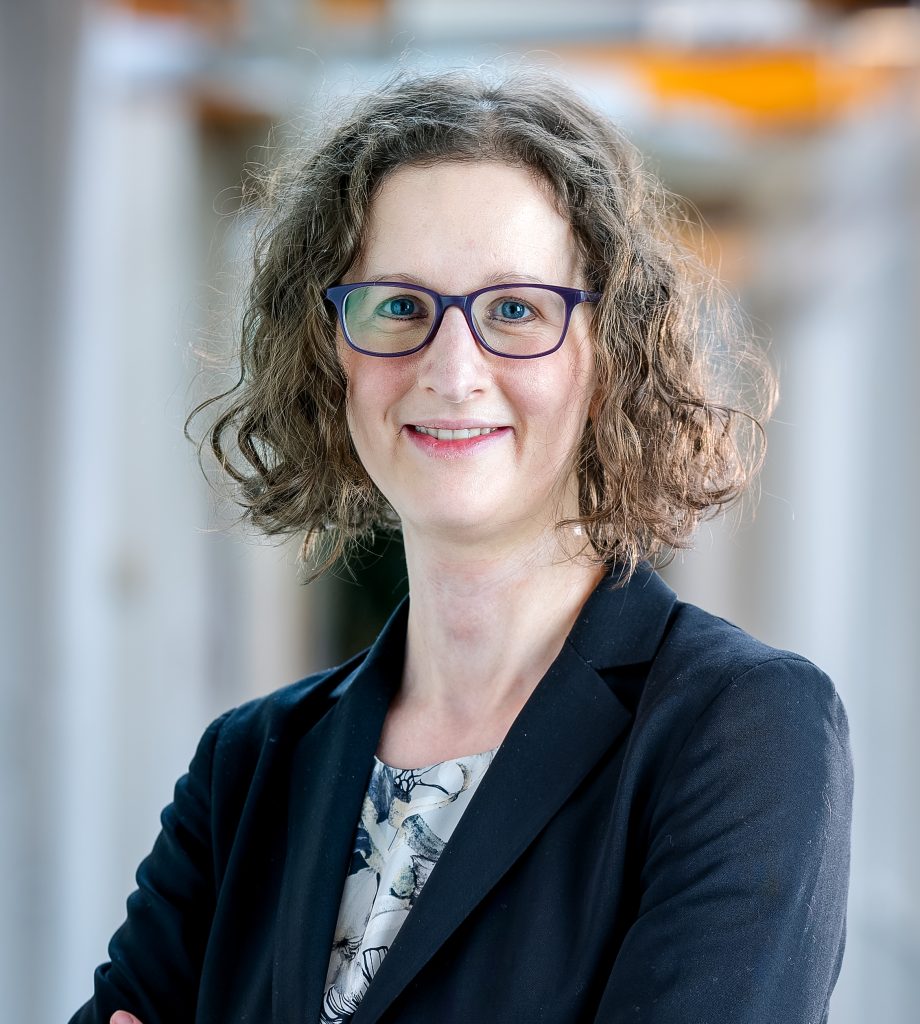
Dr. Heidi Tworek
Canada Research Chair & Professor of History and Public Policy, University of British Columbia
Professor Heidi Tworek is a Canada Research Chair and Professor of History and Public Policy at the University of British Columbia, where she also directs the Centre for the Study of Democratic Institutions. Her work explores how new communications technologies affect democracy in the past and present.
A globally recognized scholar, Professor Tworek bridges academia and public policy to tackle challenges around democracy, digital platforms, and global communication. She is a senior fellow at the Centre for International Governance Innovation and holds a non-resident fellowship at the Canadian Global Affairs Institute. She is also a fellow of Royal Historical Society and the Royal Society of Canada’s New College of Scholars, Artists, and Scientists.