Featured International Guest Speakers
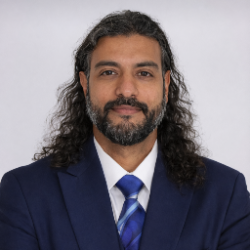
Ganesh M. Babulal, PhD, OTD, MSCI, MOT, FAOTA
Professor, Departments of Neurology and Quantitative Health Sciences, Mayo Clinic - Rochester
Dr. Ganesh M. Babulal is a professor in the departments of Neurology and Quantitative Health Sciences at the Mayo Clinic and director of The DRIVES Project and ARCHES laboratories. Dr. Babulal’s research program (1) characterizes functional changes in dementia using conventional biomarkers (structural and functional imaging, cerebrospinal fluid, plasma) and digital sensor-based markers, (2) develops precision AI models of decline using complex instrumental activities of daily living, (3) quantifies structural and social determinants of health across the life course to predicts disease risk in late life, and (4) assesses the impact of multidimensional deprivation in low-and-middle-income countries (LMICs) on brain health. Dr. Babulal’s work has been disseminated across eight book chapters and over 150 peer-reviewed research articles. His work has been supported by federal and non-governmental organizations and centers on population neuroscience and a syndemic framework to bridge gaps in health disparities in the United States and LMICs.
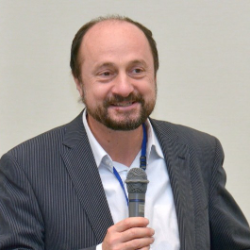
Bart De Strooper, MD, PhD
Professor (Molecular Medicine), KU Leuven and VIB; Group Leader, UK Dementia Research Institute (UK DRI), University College London and Francis Crick Institute
Dr. Bart De Strooper graduated from KU Leuven with a Doctor of Medicine (1985) and a Master's degree in Biomedical Sciences (1987), earning maxima cum laude for both degrees. He obtained his doctorate in 1991 and completed postgraduate studies under the supervision of Prof. Fred Van Leuven and Prof. Carlos Dotti at EMBL, Germany. In 1999, he established an independent research laboratory at KU Leuven and VIB.
From the outset of his career, Dr. De Strooper has focused on translating the genetic knowledge of Alzheimer's disease into a deeper understanding of disease mechanisms and the identification of novel therapeutic targets. He identified presenilin as the γ-secretase responsible for amyloid-β generation and Notch signaling, linking the two major genetic causes of Alzheimer's disease through a common mechanism (Nature, 1998, 1999; Cell, 2017).
Over the years, his multidisciplinary and international research group has grown to 35 members. Since 2016, his research has shifted toward the complex genetics and cellular biology of Alzheimer's disease, with a particular focus on the role of glial cells. His work spans the biochemistry and enzymology of γ-secretase, miRNA biology and expression deregulation, genetic and transcriptomic analysis of Alzheimer's disease patient brains, mitochondrial biology, and the development of nanobodies targeting therapeutically relevant proteins. He has pioneered the application of single-cell and spatial transcriptomics to Alzheimer's disease research (Cell, 2020), as well as the use of xenograft models to study disease pathology in human neurons (Science, 2023) and human microglia (Nature Neuroscience, 2024).
Dr. De Strooper has authored more than 500 scientific publications, which have received over 103,000 citations, and he holds an h-index of 161 (Google Scholar), with nearly 18% of his citations accumulated during 2024–2025 alone. He is the inventor on 20 patents, has founded two biotechnology spin-off companies, and has mentored numerous trainees, including 15 who have gone on to become professors. In 2017, he founded the UK Dementia Research Institute, a network comprising seven centres and more than 60 group leaders dedicated to advancing research and developing solutions for neurodegenerative diseases.
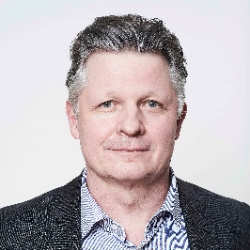
Frank Jessen, MD
Director of the Department of Psychiatry, University of Cologne; Group Leader for Clinical Alzheimer Research and Member of the Clinical Executive Board, German Center for Neurodegenerative Diseases (DZNE)
Dr. Frank Jessen received his MD degree from the University of Saarland in Germany in 1995 and was board certified as a psychiatrist and psychotherapist in 2002. From 2002-2014 he served as consultant psychiatrist and head of clinical Alzheimer’s disease research at the Department of Psychiatry, University of Bonn. In 2015, he was appointed as Professor of Psychiatry and Psychotherapy and director of the Department of Psychiatry, University of Cologne. Since 2010, he is an associate researcher and group leader for Clinical Alzheimer Research at the German Center of Neurodegenerative Diseases (DZNE). Since 2024 he is a member of the clinical executive board of the DZNE.
His research focusses on prevention, early diagnosis and treatment of Alzheimer’s disease with expertise in neuropsychology, neuroimaging, epidemiology and genetics. In this context, he coordinated national and international diagnostic multicenter studies and clinical trials.
He is a member of the board of the Germany Psychiatric Association (DGPPN), where he coordinates the national guideline on the diagnosis and treatment of dementia. He is the current chair of the European Alzheimer’s Disease Consortium (EADC) and the founder of the German Memory Clinic Network (DNG). He serves on several scientific advisory boards, including the German Alzheimer Association and Alzheimer Europe. He is a founding board member of the Internation Registry for Alzheimer’s disease and other Dementias (InRAD) and since 2025 a member of the World Dementia Council (WDC).
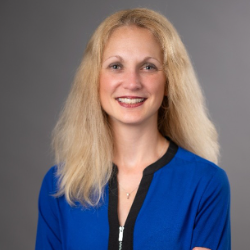
Michelle C. Johansen, MD, PhD, FAHA, FANA
Associate Professor of Neurology at the Johns Hopkins University School of Medicine
Dr. Johansen is the Guy McKhann Associate Professor of Neurology at the Johns Hopkins University School of Medicine. She currently serves as associate faculty for the Welch Center at the Johns Hopkins Bloomberg School of Public Health. Dr. Johansen’s research and clinical interests focus on stroke etiology and vascular contributions to cognitive decline. She studies the intersection between the brain and the heart, specifically how changes in the heart’s structure and function point toward the cause of stroke and impact brain health, including cognition. Her lab has been involved with several large epidemiologic cohort studies (i.e., ARIC, DISCOVERY, GeneSTAR, BP-COG), and is using blood-based biomarkers and advanced cardiac and brain imaging to diagnose the cause of patient’s strokes and determine the impact of cardiac changes on a patient’s cognition over time. Dr. Johansen has received multiple grants to fund her research from the National Institute of Neurological Disorders and Stroke, the National Institute on Aging and the American Heart Association, and the American Heart Association. Her work has been published in many high-ranking medical journals such as The Journal of the American Medical Association, and she has been interviewed as an expert for news outlets such as CNN and Medical News Today, as well as for webinars and podcasts. Dr. Johansen received the American Stroke Association’s Vascular Cognitive Impairment Award for her work showing that myocardial infarction is associated with acute and progressive decline in cognition, the American Academy of Neurology’s A.B. Baker Teacher Recognition Award, and the Johns Hopkins Department of Neurology’s Clinical Faculty Brain Award for excellence in teaching.
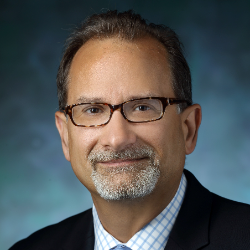
Constantine (Kostas) Lyketsos, MD, MHS
Elizabeth Plank Althouse Professor and Chair, Johns Hopkins University; Clinical Core Leader, Johns Hopkins Alzheimer's Disease Research Center (ADRC); Founder, Richman Family Precision Medicine Center of Excellence on Alzheimer’s Disease
Dr. Constantine Lyketsos is the Elizabeth Plank Althouse Professor at Johns Hopkins, where he Chairs the Johns Hopkins Bayview Department of Psychiatry and Behavioral Sciences. A graduate of Athens College, Northwestern University, and Washington University Medical School, he completed his residency, chief residency, and fellowship at Johns Hopkins before joining the faculty in 1993.
Dr. Lyketsos is a world-renowned expert in treatment development for Alzheimer’s disease and related disorders, maintaining an active role as a clinician, teacher, and researcher. For over 20 years, he has served as the Clinical Core Leader for the Johns Hopkins Alzheimer's Disease Research Center (ADRC). In 2019, he founded the Richman Family Precision Medicine Center of Excellence on Alzheimer’s Disease.
An exceptionally well-cited researcher, Dr. Lyketsos has authored over 500 articles and five books, accumulating more than 88,000 citations with an h-index of 157. A Stanford University publication ranked him 13th worldwide among all-time scientists in the field of Geriatrics. He has received numerous awards and has been recognized annually as one of America’s Top Doctors by Castle-Connolly since 2001.
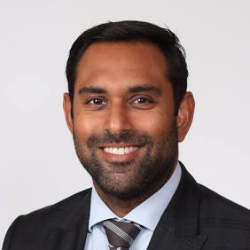
Vijay K. Ramanan, MD, PhD
Associate Professor (Neurology), Director, AD Treatment Clinic, Mayo Clinic; Consultant, Division of Cognitive/Behavioral Neurology, Dept of Neurology, Mayo Clinic
Dr. Vijay K. Ramanan is an Associate Professor of Neurology and Director of the Alzheimer's Disease Treatment Clinic at the Mayo Clinic in Rochester, Minnesota, where he also serves as Vice Chair of Clinical Practice for the Department of Neurology.
His clinical practice and research focus on precision medicine approaches for neurodegenerative disorders, including Alzheimer’s disease, frontotemporal dementia, and Lewy body disease. He specializes in the clinical application of novel therapeutics, blood biomarkers, and emerging anti-amyloid treatments. Dr. Ramanan's research program investigates genetic factors driving resistance and resilience to neurodegenerative pathology by integrating polygenic risk scores, neuroimaging, and fluid biomarkers.
Dr. Ramanan holds key national leadership positions, including serving on the executive committee of the Alzheimer's Clinical Trials Consortium (ACTC) and the American Academy of Neurology’s Guidelines and Science committees. He earned his MD and PhD from the Indiana University School of Medicine before completing his neurology residency and behavioral neurology fellowship at the Mayo Clinic.
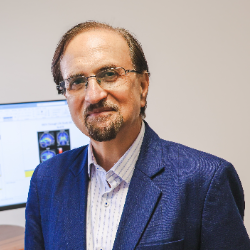
Perminder Sachdev, AM MBBS MD FRANZCP PhD FAHMS
Scientia Professor of Neuropsychiatry, UNSW Sydney; Co-Director, Centre for Healthy Brain Ageing (CHeBA); Clinical Director, Neuropsychiatric Institute, Prince of Wales Hospital
Perminder Sachdev AM MBBS MD FRANZCP PhD FAHMS is Scientia Professor of Neuropsychiatry, Co-Director of the Centre for Healthy Brain Ageing (CHeBA), UNSW Sydney, Clinical Director of the Neuropsychiatric Institute (NPI) at the Prince of Wales Hospital, Sydney, and Director of the Centre of Research Excellence in Vascular Contributions to Dementia. His major areas of research are drug-induced movement disorders, brain imaging, cognitive ageing and dementia, especially vascular cognitive impairment. He has published over 1000 journal papers and 7 books, including one for lay readers (The Yipping Tiger and other tales from the neuropsychiatric clinic) and a book of poems (A migrant’s musings). In 2011, he was appointed Member of the Order of Australia (AM) for services to medical research. He was awarded the Ryman Prize in 2022 by an international jury for the most significant contributions world-wide toward the health of older people. In 2025, he was awarded the Lifetime Achievement Award by the Australian Dementia Network.
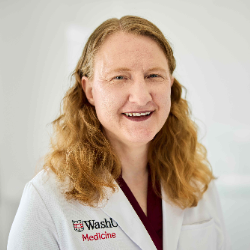
Suzanne Schindler, MD, PhD
Professor of Neurology
Suzanne E. Schindler, M.D., Ph.D., is a neurologist and neuroscientist dedicated to advancing the diagnosis and treatment of Alzheimer’s disease. She cares for patients with memory concerns at the Washington University Memory Diagnostic Center, where she also coordinates the collection and analysis of real-world data on Alzheimer’s biomarkers and amyloid-targeted therapies. Dr. Schindler leads the Fluid Biomarker Core of the Knight Alzheimer’s Disease Research Center and has facilitated numerous collaborative studies, including those that developed and validated some of the first clinically available blood tests for Alzheimer’s disease pathology. She has evaluated the generalizability of AD biomarkers across diverse groups, led head-to-head comparisons of Alzheimer’s blood tests, studied the timing of key events in the disease, and co-led the creation of consensus recommendations for the performance of clinical Alzheimer’s blood tests.
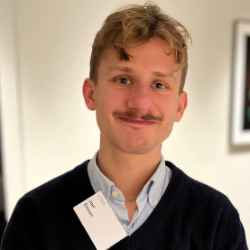
Joel Simrén, MD, PhD
Resident Physician in Clinical Chemistry, Sahlgrenska University Hospital; Research Associate, Institute of Neuroscience and Physiology, University of Gothenburg
Dr. Joel Simrén is a resident physician in Clinical Chemistry at Sahlgrenska University Hospital, Gothenburg, Sweden. He holds a PhD in neurochemistry and is affiliated with the Neurochemical Pathophysiology and Diagnostics research group at the Department of Psychiatry and Neurochemistry, University of Gothenburg. His research focuses on fluid biomarkers for neurodegenerative diseases, particularly frontotemporal lobar degeneration and Alzheimer's disease.
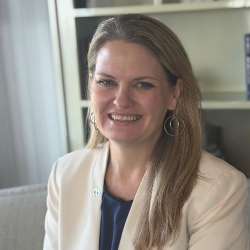
Heather M. Snyder, Ph.D.
Senior Vice President, Medical and Scientific Operations, Alzheimer's Association
Senior Vice President of Medical & Scientific Relations at the Alzheimer's Association
Heather M. Snyder, Ph.D. is Senior Vice President of Medical & Scientific Relations at the Alzheimer's Association, where she leads the organization's global research strategy and funding initiatives to advance Alzheimer's and dementia research. She oversees the Association's International Research Grant Program, supporting more than 1,220 active research projects across 59 countries. Dr. Snyder also leads major scientific initiatives focused on prevention, risk reduction, clinical trials, and emerging Alzheimer's therapies. She serves as Chair of the U.S. Department of Defense Alzheimer's Disease Research Program and is a member of the American Heart Association Research Committee and the American Stroke Association Brain Health Committee. She holds a Ph.D. in Molecular Biology from Loyola University Chicago.
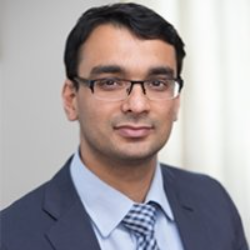
Ipsit Vahia, MD
Associate Professor of Psychiatry, Harvard Medical School; Chief, Division of Geriatric Psychiatry, McLean Hospital
Dr. Ipsit Vahia is an Associate Professor of Psychiatry at Harvard Medical School and Chief of the Division of Geriatric Psychiatry at McLean Hospital, where he holds the Corrigan-Minehan Endowed Chair in Psychiatry. He also serves as the Director of Digital Psychiatry Translation and heads the Technology and Aging Laboratory at McLean Hospital.
Dr. Vahia’s clinical and research program focuses on the intersection of aging, behavior, and technology. His work explores how digital tools, informatics, and artificial intelligence can be leveraged to enhance the care of older adults with dementia and late-life psychiatric disorders. He is particularly recognized for his research into passive sensing, machine learning, and digital phenotyping to predict and manage behavioral symptoms like agitation, apathy, and pacing in patients with Alzheimer’s disease.
An active leader in the field, Dr. Vahia serves on the American Psychiatric Association (APA) Council on Geriatric Psychiatry and the Geriatric Psychiatry Committee of the American Board of Psychiatry and Neurology. He is a former member of the board of directors for the American Association for Geriatric Psychiatry (AAGP) and serves on the editorial boards of multiple international journals, including his role as social media editor for the American Journal of Geriatric Psychiatry. He is the recipient of numerous accolades, including the AAGP Barry Lebowitz Award and the APA Hartford Jeste Award.
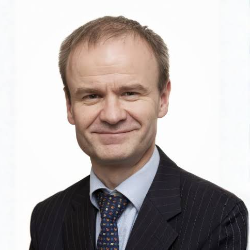
Jason Warren, PhD FRACP
Professor of Neurology, Dementia Research Centre, University College London and Consultant Neurologist, National Hospital for Neurology and Neurosurgery, Queen Square London, United Kingdom
Jason Warren leads the Brain Behaviour Group within UCL Dementia Research Centre, principally to study the interface of hearing and dementia for auditory phenotyping of major dementias and development of novel auditory biomarkers of neurodegeneration. He has been Professor of Neurology at UCL since 2014. He jointly leads the Specialist Cognitive Disorders Clinic at the National Hospital for Neurology and Neurosurgery, Queen Square, with a particular clinical focus on the primary progressive aphasias and other rare and young onset dementias.
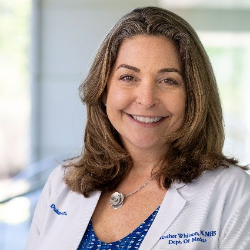
Heather Whitson, MD MHS
Professor of Medicine, Duke University School of Medicine; Co-Director, Duke/UNC Alzheimer’s Disease Research Center
Heather Whitson, MD, MHS is an internist, geriatrician, and clinical investigator. Her work focuses on promoting health and resilience in people with multiple chronic conditions, and she has particular expertise in how aging biology and comorbidities affect the brain. Dr. Whitson is a Professor of Medicine, Ophthalmology, Neurology, and Head and Neck Surgery and Communication Sciences and Distinguished Professor of Neuroscience at Duke University. She is also Director of the Duke Aging Center and co-Director of the Duke University and University of North Carolina Alzheimer’s Disease Research Center (Duke/UNC ADRC). Working with transdisciplinary teams, Dr. Whitson’s work has improved outcomes for people with or at risk of sensory, mobility, and cognitive impairments. She serves as co-Chair of the Alzheimer’s Association’s international clinical practice guidelines panel for the use of blood-based biomarkers in the diagnosis of Alzheimer’s disease. An elected member of the Board of Directors of the American Geriatrics Society (AGS), Dr. Whitson is also a past recipient of the AGS Thomas and Catherine Yoshikawa Award for Outstanding Scientific Achievement in Clinical Investigation.
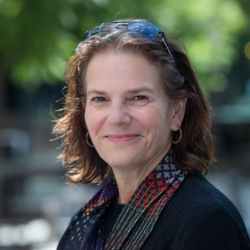
Kristine Yaffe, MD
Kristine Yaffe, MD, is the Scola Endowed Chair and the Epstein Endowed Chair and Vice Chair, Distinguished Professor of Psychiatry, Neurology, and Epidemiology, and Director of the Center for Population Brain Health at the University of California, San Francisco. Professor Yaffe is an internationally recognized expert in the epidemiology of Alzheimer Disease and Alzheimer Disease Related Dementias (AD/ADRD) outcomes, and she is one of the foremost leaders in identifying modifiable risk factors for AD/ADRD prevention. Professor Yaffe and her colleagues were the first to determine that potentially 30%-40% of dementia risk is preventable. She pioneered investigations on the roles of estrogen, physical activity, and cardiovascular factors in AD/ADRD risk, and more recently, her research group has led work on the connections between cognitive aging and traumatic brain injury, sleep disorders, and life course exposures. With over 800 peer-reviewed articles (H-index=185), her work translating epidemiological evidence to improving population brain health has formed the cornerstone for dementia prevention trials worldwide. As a leader in population-based approaches to AD/ADRD science, and she has received numerous prestigious honors including the American Academy of Neurology’s Potamkin Prize for Alzheimer’s Research in 2017, the U.S. National Institute of Health Robert S. Gordon, Jr. Award in Epidemiology in 2021, and the U.S. Department of Veterans Affairs John B. Barnwell Award for Achievement in Clinical Research in 2022. Professor Yaffe was elected to the U.S. National Academy of Medicine in 2019.
Speakers
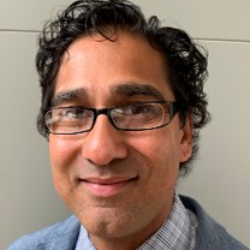
Zahinoor Ismail
MD FRCPC
Professor of Psychiatry, Neurology, Epidemiology, and Pathology, University of Calgary; Clinician Scientist, Hotchkiss Brain Institute and O'Brien Institute for Public Health
Dr. Zahinoor Ismail is a Clinician Scientist and Professor of Psychiatry, Neurology, Epidemiology, and Pathology & Laboratory Medicine at the at the University of Calgary, with a joint appointment at the University of Exeter. He has certification in Behavioural Neurology & Neuropsychiatry, and Geriatric Psychiatry, and has over 25 years of clinical experience. His research includes: i) risk and resilience in brain aging; ii) non-cognitive markers of dementia; iii) nosology, nomenclature, and measurement of brain disorders; iv) biomarkers; v) clinical trials; and vi) dementia caregivers. He is funded by the Canadian Institutes of Health Research and Gordie Howe CARES, and has published approximately 350 scientific papers. Dr. Ismail is Chair of the Canadian Conference on Dementia, and of the CCD Dementia Guideline Group. Dr. Ismail was appointed by the Federal Minister of Health to serve as Co-Chair of the Government of Canada Ministerial Advisory Board for Dementia from 2023-2025.
Abstract Speakers
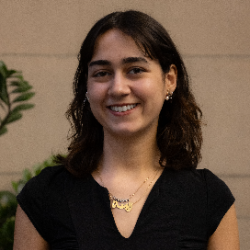
Zaina Alsibai, MSC
Zaina Alsibai is a recent graduate from the Master of Science in Public Health at McGill University, where she also completed a Bachelor of Science in Anatomy and Cell Biology with a minor in Social Studies of Medicine in 2024. Her academic journey has cultivated within her a deep interest in exploring the interplay between science, society, and healthcare systems, while emphasizing the importance of addressing social determinants of health. Her current work with Dr. Claire Godard-Sebillotte presents her with a great opportunity to directly engage with equity-seeking communities to deepen her understanding of systematic barriers faced by diverse groups in healthcare systems and present work bridging longstanding gaps between the unmet needs of equity-seeking ethnocultural populations and health research policy.
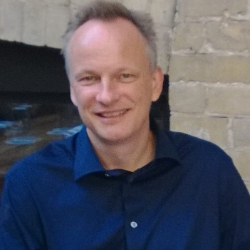
Hans Frykman
Between January 1, 2025 and June 7, 2026, Dr. Frykman was also the director for the Center of Excellence in Neurochemistry at National Reference Lab/Cleveland Clinic, Abu Dhabi.
Dr. Frykman has a PhD in biocatalysis and chemistry from the Royal Institute of Technology, Stockholm. After completing medical school at Karolinska Institute, he trained in internal medicine and oncology at Karolinska Hospital (Solna Campus) followed by training in medical biochemistry at the University of British Columbia with a focus on clinical chemistry and clinical laboratory immunology. Training in clinical laboratory neuroimmunology was obtained by training on location at JR hospital in Oxford (Drs. Angela Vincent, Paddy Waters, David Beeson), Hopital Civil Lyon with Dr. Jerome Honnerat), and at "City Clinic" Barcelona with Drs. Francesco Graus, Jospeph Dalmau.
Training in neurochemistry was obtained at University of Gothenburg under Dr. Kaj Blennow and Henrik Zetterberg.
Since, 2020 Dr. Frykman has had a leading role in the clinical laboratory field in Neurochemistry across North America by first launching FDA approved blood based clinical trial testing in 2021 and the Alzpath p tau 217 test for full clinical use in March 2024. His labs are now some of the most experienced to use these tests in clinical practice and clinical trials with close to 100000 tests performed. Dr. Frykman is part of the Global Biomarker Consortium Committee by Alzheimers Association and IFCC standardization committee for blood based biomarkers in neurodegeneration. Both as the only Canadian representation.
Dr. Frykman has been invited to give grand rounds at Harvard (3 times), Stanford, Cleveland Clinic and many other KOL centers around the World. He has also been invited to numerous scientific meetings including ADLM (3 times), MGFA (2 times), AD/PD, AAIC.
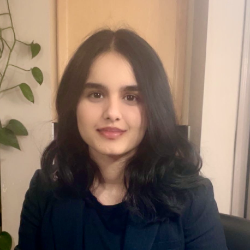
Sanvi Langay
Undergraduate student
I am a third-year undergraduate student at the University of Calgary pursuing an Honours degree in Biological Sciences. Under the supervision of Dr. Zahinoor Ismail, my summer studentship has explored factors related to changes in brain health in postmenopausal women, particularly how sleep disturbances are associated with cognition, behaviour, function, and quality of life. Through my research, I hope to further my understanding of women's brain health and the early identification of factors associated with dementia risk. In the future, I hope to pursue a career in medicine where I can continue learning about factors that shape brain health and use that knowledge to improve quality of life for those that are at risk of cognitive decline.
Event Date & Time
October 7, 2026 9am - 5pm Eastern Daylight Time (EDT)
Event Location
Virtual, Zoom Events
Information & Assistance
Conference Services, University Health Network (UHN) conferences@uhn.ca
 Copyright© | MYConference Suite Registration | D.E. Systems | All Right Reserved.