Schedule
-
Opening Remarks/Reflective Land Acknowledgement
Thursday, November 19 10:00 AM - 10:05 AM
Speaker(s)
-
Serious Illness Conversations
Thursday, November 19 10:05 AM - 10:35 AM
Speaker(s)
Description:
When cure isn't a possibility, then quite often the rules aren't fit for purpose. How can we be creative without being anarchic?
Learning Objectives:
- Consider the concepts behind the rules we work by, and how to work with concepts more than checklists in providing individualised palliative care
-
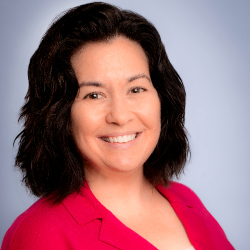
Back to School and Beyond: School Re-Entry, Adaptation, and Long-Term Support After Pediatric Cancer
Thursday, November 19 10:35 AM - 11:20 AM
Speaker(s)
Description:
Sharing information and recommendations to support school entry, re-entry for elementary, secondary and post secondary students.Learning Objectives:
- Identify common physical, cognitive, emotional and social challenges that may affect school and life re-entry following pediatric cancer treatment.
- Describe practical strategies to support successful school re-entry, including communication with schools, accommodations, information sharing and educational planning.
- Recognize the unique developmental and psychosocial needs of adolescents and young adults as they transition from treatment back into education, employment, relationships, independence and future planning.
-
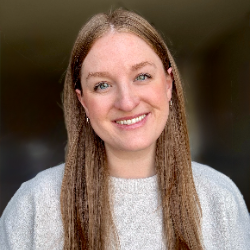
Assessing Fear of Cancer Recurrence in Pediatric Survivors
Thursday, November 19 11:20 AM - 11:50 AM
Speaker(s)
Description:
This session will provide an overview of what fear of cancer recurrence (FCR) is and why it matters. We will explore current challenges with assessing FCR in children and adolescents, the role of development, and insights into the experience of FCR in childhood from qualitative interviews with young survivors. We will discuss ongoing work to develop a measure of FCR for children and adolescents, including opportunities for collaboration.
Learning Objectives:
- Describe the challenges of assessing fear of cancer recurrence in children and adolescents, including developmental considerations
- Describe emerging approaches to measure fear of cancer recurrence in pediatric oncology populations
-
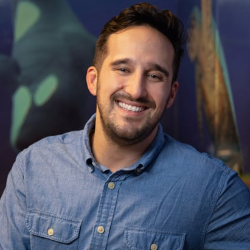
Doing Tough Things the Right Way: Adapting Child Life Principles to Support Behavioural Patients
Thursday, November 19 11:50 AM - 12:35 PM
Speaker(s)
Learning Objectives:
- Evaluate the benefits and risks of delaying versus completing difficult medical procedures for pediatric patients.
- Use psychosocial assessment to identify when a "fast, safe, and finished" approach is most appropriate.
- Apply preparation, coping, and collaborative intervention strategies to support patients through challenging procedures.
- Recognize the ethical and emotional complexities of difficult procedures, including sources of moral distress and strategies to address them.
-
The Anatomy of Burnout in the Caring Profession
Thursday, November 19 1:35 PM - 2:20 PM
Speaker(s)
Description:
While many healthcare professionals are familiar with trauma-informed care for patients, there is less recognition that healthcare itself is a trauma-exposed profession. Those who provide care are routinely exposed to workplace experiences that can contribute to psychological distress and occupational stress injuries, including human suffering, death and dying, workplace violence, racism, bullying, moral distress, and involvement in adverse events.
This keynote invites participants to extend the same safety, compassion, and care that they offer patients to themselves and their colleagues. By recognizing healthcare as a trauma-exposed profession, participants will gain new insights from research in other trauma-exposed sectors, including emergency services, public safety personnel, and the military.
Participants will leave with a deeper understanding of the science of well-being in trauma-exposed professions, along with practical, evidence-based strategies to strengthen resilience, foster psychological safety, and sustain their own well-being while caring for others.
Learning Objectives:
By the end of this session, participants will be able to:
- Recognize healthcare as a trauma-exposed profession and identify common sources of workplace psychological harm.
- Describe evidence-based strategies used in trauma-exposed occupations to reduce the risk of occupational stress injuries and support mental well-being.
- Develop a personalized action plan to incorporate protective practices into their daily work and professional life.

-
Comedic Relief: Exploring the Therapeutic Power of Play and Humour in Pediatric Oncology
Thursday, November 19 2:20 PM - 3:05 PM
Speaker(s)
Description:
This interactive presentation explores the unique role of humour and play in supporting children, adolescents and families navigating cancer treatment and hospitalization. Through evidence-based research and firsthand experiences, the session will highlight how implementing humour can support resilience, strengthen connections between patients, families, and healthcare teams, and help preserve a child’s sense of identity and normalcy during treatment. Participants will leave with a deeper understanding of how intentional, developmentally appropriate play and humour can serve as powerful tools for promoting well-being and humanizing the healthcare experience for children and youth living with cancer.
Learning Objectives:
At the end of this session, participants will be able to:
- Describe the various benefits of play and humour for children and adolescents receiving oncology care.
- Reflect on personal perceptions of play and humour and consider broader definitions of play within healthcare and everyday life.
- Identify practical strategies for incorporating developmentally appropriate humour and play into paediatric oncology care to enhance patient engagement, connection, and overall well-being.

-
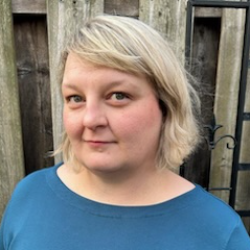
A Guide to Assisting Newcomers: Navigating Canada's Healthcare and Legal Systems
Thursday, November 19 3:20 PM - 4:20 PM
Speaker(s)
Description:
A whirlwind tour through the highlights of what you need to know to assist newcomer clients facing challenges navigating healthcare, administrative and legal issues.
Learning Objectives:
- Identify helpful legal resources for clients
- Help clients avoid OHIP eligibility pitfalls
- Become more familiar with Canada's complex immigration system and what it means for clients and services available to them
-
Adapting Universal Protocols for Pediatric Oncology Patients with Complex Care Needs
Thursday, November 19 4:20 PM - 4:50 PM
Speaker(s)
Description:
This presentation will provide a brief outline of Universal Protocols and their role in promoting safety, consistency and quality care. Participants will learn how this framework can be applied within the pediatric oncology setting and explore practical application for current clinical practices.
Learning Objectives:
- Brief overview the Universal Protocol framework.
- Review how the framework can be applied in current clinical practices.
-
Closing Remarks
Thursday, November 19 4:50 PM - 5:00 PM
Speaker(s)
-
The Connection Reception
Thursday, November 19 5:30 PM - 7:00 PM
Spend some time with colleagues in your profession, exchanging ideas, sharing experiences, and making connections. Whether through a formal Community of Practice or a profession-specific discussion group, you'll have the chance to meet and share with those in your field.
-
Opening Remarks
Friday, November 20 8:00 AM - 8:05 AM
Speaker(s)
-
Land Acknowledgement
Friday, November 20 8:05 AM - 8:15 AM
Speaker(s)
-
Results & Note Release
Friday, November 20 8:40 AM - 9:25 AM
Speaker(s)
Description:
This session will explore the evidence supporting the release of clinical information including test results and clinical notes—to patients and families. We will examine best practices for implementing information release in ways that promote transparency and patient engagement while maximizing benefits and supporting safe, effective care.
Learning Objectives:
By the end of this session, participants will be able to:
- Describe the evidence supporting the release of clinical information—including test results and clinical notes—to patients.
- Identify best practices for the safe and effective release of clinical information.
- Discuss strategies to maximize the benefits of information transparency while minimizing potential risks to patients and care teams.
-
Trauma Informed Care
Friday, November 20 9:25 AM - 10:25 AM
Speaker(s)
-
Session A: The Hospital is Larger Than Your Bed: Helping Children Move, Play & Participate During Cancer Treatment
Friday, November 20 10:40 AM - 11:40 AM
Speaker(s)
Description:
A collaborative session led by a Physiotherapist and Occupational Therapist about the common functional challenges experienced by children with cancer. Using interactive, participation based activities you can discover strategies for helping your patients move and when to involve rehabilitation services.
Learning Objectives:
By the end of this session, participants will be able to:
- Describe the role of rehabilitation (OT and PT) across the pediatric oncology continuum.
- Identify common functional challenges experienced by children and youth with cancer.
- Develop creative, evidence-informed strategies that promote engagement, independence, and return to valued activities.
- Recognize the benefits of early access to interdisciplinary collaboration and rehab involvement.
-
Session B: Liquid Biopsy
Friday, November 20 10:40 AM - 11:40 AM
Speaker(s)
Description:
Through brief clinical cases, this presentation will explore liquid biopsy using blood and other fluids in pediatric non-CNS oncology. Cases will illustrate its use in diagnosis, therapeutic genotyping, and disease monitoring, as well as its limitations.
Learning Objectives:
- To appreciate the opportunities and challenges of liquid biopsy for diagnosis of pediatric cancer
- To review how liquid biopsy can be used to monitor response to therapy
- To appreciate how liquid biopsy could be used to predict those at increased risk for relapse
-
Session C: One Team, One Child: Coordinating Naturopathic, Pharmacy, and Family Care in Pediatric Oncology
Friday, November 20 10:40 AM - 11:40 AM
Speaker(s)
Description:
Children and adolescents facing cancer are often supported by multiple care providers — including oncologists, pharmacists, naturopathic doctors, nurses and family caregivers — who don't always communicate directly with one another. This workshop brings together a Naturopathic Doctor, an Oncology Pharmacist and a Former Patient with lived experience to build practical strategies for open dialogue, safe integration of complementary medicines and conventional treatments, and coordinated support for the whole family. Participants will be invited to share their own experiences and will leave with tools to strengthen collaboration and reduce risks in pediatric cancer treatment.
Learning Objectives:
- Participants will leave with a better understanding of the needs and desires of patients and their families regarding the integration of complementary medicine.
- Participants will be able to describe safety and treatment considerations when combining conventional treatments with integrative medicine.
- Participants will leave with strategies to strengthen collaboration between Pediatric Oncology teams and Naturopathic Doctors.
-
Session D: When Mealtimes Change: Strategies to Recognize and Facilitate Conversations About Taste, Eating Enjoyment and Nutrition Challenges
Friday, November 20 10:40 AM - 11:40 AM
Speaker(s)
Description:
This interactive workshop invites healthcare professionals to step beyond the Symptom Screening in Pediatric (SSPedi) score and experience the impact of taste changes through hands-on sensory activities. Through review of case scenarios and group discussions, the participants will understand how bothersome nutrition symptoms can intersect with appetite, eating enjoyment, quality of life, and family feeding dynamics. Attendees will leave with practical family-centred strategies to support good nutrition status during childhood cancer treatment.
Learning Objectives:
- Explore how bothersome nutrition symptoms can impact eating enjoyment and psychosocial factors that alter nutrition intake.
- Engage in sensory activities that help demonstrate common taste, flavor and smell changes.
- Apply an interdisciplinary and family-centred approach to provide practical strategies to support good nutrition during pediatric cancer treatment.

-
Doing Ethics in a Messy World: A Toolkit for Cases
Friday, November 20 1:30 PM - 2:20 PM
Speaker(s)Moderator(s)
Description:
This panel discussion will consider the merits of of the mainstream bioethics toolkit and the role of emerging concepts for managing real cases. This panel will comprised of Michelle Mullen (Paediatric Bioethicist), Alexandra Zorzi (Pediatric Hematology Oncologist and Associate Professor), and Jane Cassano (Social Worker) to introduce issues and approaches. A robust audience engaged discussion of an ethics case and Q&A will be moderated by Serina Patel (Paediatric Haematologist/Oncologist)
Learning Objectives:
- Appreciate the usefulness and limitations of bioethics tools commonly invoked
- Consider emerging tools of narrative, trauma informed care and intersectionality in approaching cases
- Engage in productive ethics analyses using these tools

-
Session A: The Hospital is Larger Than Your Bed: Helping Children Move, Play & Participate During Cancer Treatment
Friday, November 20 2:20 PM - 3:20 PM
Speaker(s)
Description:
A collaborative session led by a Physiotherapist and Occupational Therapist about the common functional challenges experienced by children with cancer. Using interactive, participation based activities you can discover strategies for helping your patients move and when to involve rehabilitation services.
Learning Objectives:
By the end of this session, participants will be able to:
- Describe the role of rehabilitation (OT and PT) across the pediatric oncology continuum.
- Identify common functional challenges experienced by children and youth with cancer.
- Develop creative, evidence-informed strategies that promote engagement, independence, and return to valued activities.
- Recognize the benefits of early access to interdisciplinary collaboration and rehab involvement.
-
Session B: Brain Tumor Update
Friday, November 20 2:20 PM - 3:20 PM
Speaker(s)
-
Session C: One Team, One Child: Coordinating Naturopathic, Pharmacy, and Family Care in Pediatric Oncology
Friday, November 20 2:20 PM - 3:20 PM
Speaker(s)
Description:
Children and adolescents facing cancer are often supported by multiple care providers — including oncologists, pharmacists, naturopathic doctors, nurses and family caregivers — who don't always communicate directly with one another. This workshop brings together a Naturopathic Doctor, an Oncology Pharmacist and a Former Patient with lived experience to build practical strategies for open dialogue, safe integration of complementary medicines and conventional treatments, and coordinated support for the whole family. Participants will be invited to share their own experiences and will leave with tools to strengthen collaboration and reduce risks in pediatric cancer treatment.
Learning Objectives:
- Participants will leave with a better understanding of the needs and desires of patients and their families regarding the integration of complementary medicine.
- Participants will be able to describe safety and treatment considerations when combining conventional treatments with integrative medicine.
- Participants will leave with strategies to strengthen collaboration between Pediatric Oncology teams and Naturopathic Doctors.
-
Session D: When Mealtimes Change: Strategies to Recognize and Facilitate Conversations About Taste, Eating Enjoyment and Nutrition Challenges
Friday, November 20 2:20 PM - 3:20 PM
Speaker(s)
Description:
This interactive workshop invites healthcare professionals to step beyond the Symptom Screening in Pediatric (SSPedi) score and experience the impact of taste changes through hands-on sensory activities. Through review of case scenarios and group discussions, the participants will understand how bothersome nutrition symptoms can intersect with appetite, eating enjoyment, quality of life, and family feeding dynamics. Attendees will leave with practical family-centred strategies to support good nutrition status during childhood cancer treatment.
Learning Objectives:
- Explore how bothersome nutrition symptoms can impact eating enjoyment and psychosocial factors that alter nutrition intake.
- Engage in sensory activities that help demonstrate common taste, flavor and smell changes.
- Apply an interdisciplinary and family-centred approach to provide practical strategies to support good nutrition during pediatric cancer treatment.

-
Artificial Intelligence in Oncology
Friday, November 20 3:35 PM - 4:15 PM
Speaker(s)
Description:
This session provides an overview of artificial intelligence (AI), including common types of AI and their applications in pediatrics. Participants will explore how AI can be used in pediatrics to support clinical care, research, and education, and will examine key limitations, risks, and ethical considerations associated with the use of AI in healthcare.Learning Objectives:
- Understand the fundamentals of artificial intelligence and its role in pediatrics.
- Explore current and emerging applications of artificial intelligence in pediatric care.
- Discuss the limitations and ethical considerations of artificial intelligence in pediatric practice.
-
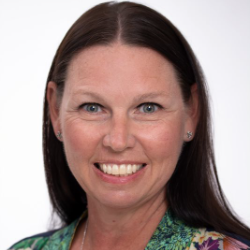
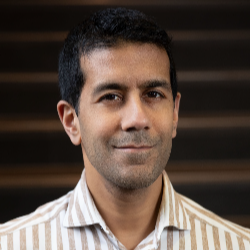
The Next Chapter of Blinatumomab: Who Benefits, How We Deliver It, and Where We Go Next
Friday, November 20 4:15 PM - 5:15 PM
Speaker(s)
Description:
This presentation will review new evidence of efficacy with blinatumomab in pediatric B-ALL. A look at the challenges and promises of de-intensification trial designs will include audience participation. The session will conclude with presenting variation in blinatumomab care and delivery and efforts to improve standardization.
Learning Objectives:
- Understand new evidence of blinatumomab efficacy in pediatric patients with B-ALL.
- Review promises and challenges of future B-ALL de-intensification trial designs.
- Describe immunotoxicity related to blinatumomab.
- Recognize variation in blinatumomab administration and efforts guiding standardization.
-
Closing Remarks
Friday, November 20 5:15 PM - 5:20 PM
Speaker(s)
-
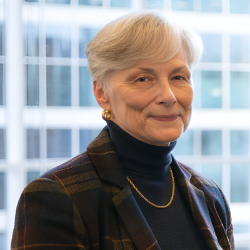
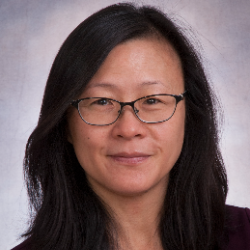
SSPedi Update - Dr. Lee Dupuis & Dr. Lillian Sung / Symptom Screening and Management: Why, How and the Future
Saturday, November 21 8:05 AM - 8:50 AM
Speaker(s)
Description:
Symptom screening by children and adolescents with cancer and undergoing cellular therapy increases quality of life. This presentation will discuss:
- How symptom screening may be implemented in Ontario
- Some of the resources that will be available to support implementation including POGO-supported care pathways
- The future of symptom screening implementation in Ontario
Learning Objectives:
At the end of this presentation, attendees will understand:
- The provincial plan for symptom screening implementation
- The role of healthcare professionals in responding to symptom screening results and the resources available to support evidence-based responses
- How symptom screening will contribute to optimization of supportive care in the future
-
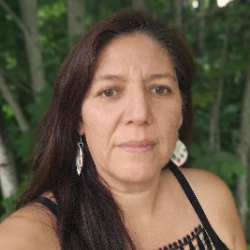
Indigenous Patient Care
Saturday, November 21 8:50 AM - 9:20 AM
Speaker(s)Moderator(s)
Description:
Sharing Anishinaabe teachings: changing perspectives for Indigenous patient care.
Learning Objectives:
- Providing Indigenous perspective to the patient team.
-
Session A: Onco-dermatology: An Approach to Managing Skin Toxicities to Oncology Therapies
Saturday, November 21 9:25 AM - 10:25 AM
Speaker(s)
Description:
This interactive talk will utilize a case-based approach to review skin toxicities encountered across the spectrum of oncologic therapies including both traditional chemotherapies and targeted immunotherapies. Participants will hone skills in both diagnosis and management strategies.
Learning Objectives:
By the end of this lecture, participants will be able to:
- Utilize morphologic clues, pattern recognition and diagnostic tools to accurately identify common skin toxicities encountered in pediatric oncology patients
- Implement effective preliminary management strategies to treat skin toxicities thereby limiting unnecessary drug decreases or discontinuations
- Understand when dermatology consultation is indicated, and implement collaborative virtual tools to engage with dermatology expertise in resource limited settings
-
Session B: Treating Fear of Recurrence in Pediatric Oncology: Survivors and Parents
Saturday, November 21 9:25 AM - 10:25 AM
Speaker(s)
Description:
This session will provide an overview of what fear of cancer recurrence (FCR) is and why it matters, for both survivors and parents. We will cover a brief review of evidence-based interventions using a stepped care approach, with a focus on the Fear of Cancer Recurrence Therapy (FORT) intervention for those with high FCR. We will then explore the adaptation of FORT for both survivors of childhood cancer and their parents, including rationale, co-design process, adaptations required, and preliminary findings.
Learning Objectives:
- Describe evidence-informed strategies to support individuals with low to moderate FCR
- Recognize when referral to a structured intervention such as FORT may be appropriate
- Summarize the preliminary findings of the Fear of Cancer Recurrence Therapy (FORT) interventions for survivors of childhood cancer their parents
-
Session C: Guideline Implementation
Saturday, November 21 9:25 AM - 10:25 AM
Speaker(s)
Description:
An interactive session on the successes and failures of guideline implementations.
Learning Objectives:
- Understand an approach to implementing guidelines, and use the approach to attempt to diagnose implementation failures
-
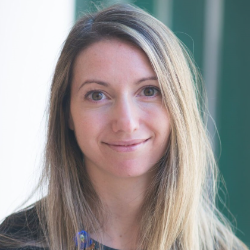
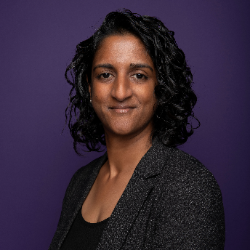
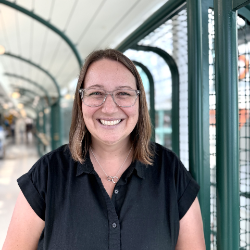
Session D: From Consultation to Co‑Leadership: Partnering with Patients and Families to Shape Pediatric Oncology Care
Saturday, November 21 9:25 AM - 10:25 AM
Speaker(s)
Description:
This interactive session will explore practical approaches to engaging people with lived experience as true partners in quality improvement, program planning, and service design. Through storytelling, facilitated discussion, and real-world examples from pediatric oncology, participants will examine how organizations can move beyond consultation toward meaningful co-leadership with patients and families. Attendees will leave with actionable strategies to strengthen local team engagement and build sustainable partnerships that improve care experiences and outcomes.
Learning Objectives:
- Learn practical approaches for establishing and sustaining Patient and Family Advisory Councils (PFACs).
- Hear directly from family advisors about what meaningful engagement feels like in practice.
- Explore common barriers and lessons learned from PFAC implementation.
- Identify one actionable change they can bring back to their own organization.
-
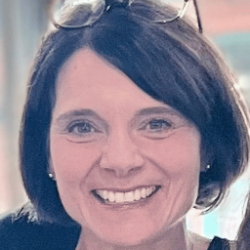
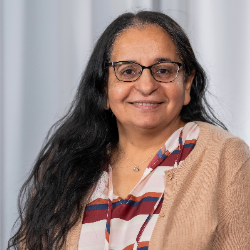
Oncology Medications: The Price Is Right
Saturday, November 21 10:40 AM - 11:20 AM
Speaker(s)
Description:
Via an interactive "Price is Right" format, we aim to bring awareness to the costs of cancer medication therapy in Ontario. We will discuss traditional chemotherapy, targeted therapies and supportive care.Learning Objectives:
- Bring awareness of the drug costs incurred to hospitals and the broader health care system in the treatment of pediatric malignancies
- Give insight into the out of pocket drug costs incurred by families during a child's treatment
- Compare different funding schema available to adults and children being treated for malignancy
-
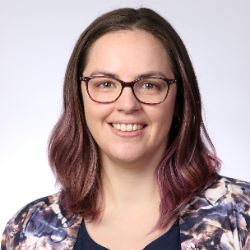
Affirming Care for 2SLGBTQIA Patients and Families in Pediatric and AYA Oncology
Saturday, November 21 11:20 AM - 12:25 PM
Speaker(s)
Description:
Please join us for the sex and gender education you never had for pediatric oncology patients and parents. In this talk, we will briefly review terminology and the landscape of 2SLGBTQIA discrimination, followed by a deeper dive into how this can and does impact pediatric cancer care and how all of us can become allies striving to provide culturally safe and competent care.
Learning Objectives:
- To raise awareness of the health disparities that exist for 2SLGBTQIA patients/parents, and examine their potential impacts on cancer care
- To create and provide a safe space for learning and reflection for all attendees, no matter their background and experience
- To inspire and educate pediatric oncology professionals on how to provide appropriate care, and become an advocate and ally for 2SLGBTQIA+ patients/parents
-
Closing Remarks
Saturday, November 21 12:25 PM - 12:30 PM
Speaker(s)
Date
November 19-21, 2026
Location
Hamilton Convention Centre
1 Summers Ln,
Hamilton, ON
L8P 4Y2