
Detailed Program
Click here to view or download the program. Click on the tiles below to learn more about each session.
-
Concussion - Fact and Fiction
Friday, January 30 8:30 AM - 9:30 AM
Speakers
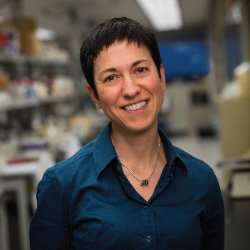
Concussion are very common but, as with anything that is poorly understood, there is a lot of misinformation out there. We will review some of the facts and myths around concussions and their recovery.
-
Concussion and Chronic Traumatic Encephalopathy (CTE)
Friday, January 30 9:30 AM - 10:30 AM
Speakers
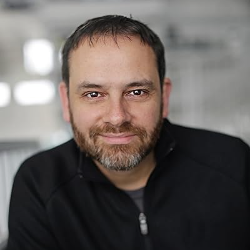
Concussion and Chronic Traumatic Encephalopathy (CTE)
-
“HAL: open the pod bay door!” Artificial Intelligence and Traumatic Brain Injury
Friday, January 30 11:00 AM - 12:00 PM
Speakers
Artificial intelligence has created a shift in the information availability, diagnosis and treatment possibilities of people with TBI’s. But is it safe? Is it necessary? What are the advantages and pitfalls? This presentation will examine some of the controversies and potentials of using AI in TBI.

-
Workshop 1 : Clinical Pearls in the Assessment and Management of Persistent Headaches Following Concussion/Traumatic Brain Injury
Friday, January 30 1:00 PM - 2:00 PM
Speakers
This workshop will provide clinical pearls for clinicians from all disciplines to assist in the assessment of patients presenting with ongoing headaches following concussion/mild traumatic brain injury. The workshop will provide pearls to help members of the health care team identify the factors promoting and perpetuating the headaches and to identify if patients are receiving optimal treatment in terms of non-pharmacologic and pharmacologic management.
-
Workshop 2 : Therapy for Brain-Body-Mind Interface Disorders
Friday, January 30 1:00 PM - 2:00 PM
Speakers
This workshop will provide an overview of physiotherapy and psychotherapy for brain-body-mind interface disorders with a focus on functional movement disorder (FMD). It will explore how therapy is based on understanding mechanism and explore how strategies for FMD and brain injury rehabilitation may coincide and differ.
-
Workshop 3 : When the Evidence Conflicts: A Legal Q&A on Brain Injury
Friday, January 30 1:00 PM - 2:00 PM
Speakers
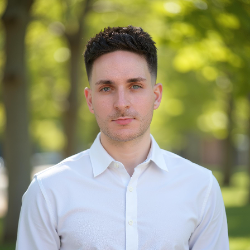
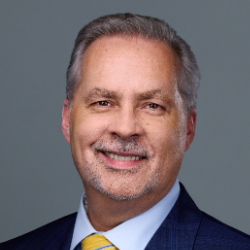
When the Evidence Conflicts: A Legal Q&A on Brain Injury offers an open, interactive discussion on the challenges that arise when medical information, patient presentation, and legal expectations do not fully align. This session provides healthcare providers with the opportunity to ask a legal expert about navigating complex brain-injury cases, including situations involving uncertain diagnoses, conflicting assessments, unusual behaviours, or evolving technologies such as AI. Through a broad exploration of common points of tension between clinical findings and legal processes, this presentation aims to enhance understanding, support clearer communication, and promote effective collaboration between the medical and legal communities.


-
FND: Challenging Dualism in Healthcare
Friday, January 30 2:05 PM - 3:05 PM
Speakers
This presentation provides an overview of functional neurological disorder from clinical recognition to recovery.

-
Workshop 1: Managing Post Traumatic Headache Clinical Pearls in the Assessment and Management of Persistent Headaches Following Concussion/Traumatic Brain Injury
Friday, January 30 3:30 PM - 4:30 PM
Speakers
This workshop will provide clinical pearls for clinicians from all disciplines to assist in the assessment of patients presenting with ongoing headaches following concussion/mild traumatic brain injury. The workshop will provide pearls to help members of the health care team identify the factors promoting and perpetuating the headaches and to identify if patients are receiving optimal treatment in terms of non-pharmacologic and pharmacologic management.
-
Workshop 2: Movement Disorders
Friday, January 30 3:30 PM - 4:30 PM
Speakers
This workshop will provide an overview of physiotherapy and psychotherapy for brain-body-mind interface disorders with a focus on functional movement disorder (FMD). It will explore how therapy is based on understanding mechanism and explore how strategies for FMD and brain injury rehabilitation may coincide and differ.
-
Workshop 3: Using Cognitive Demands Analysis and Cognitive Abilities Evaluations for ABI: Guiding Return-to-Work and Accommodations
Friday, January 30 3:30 PM - 4:30 PM
Speakers
This workshop provides a practical introduction to using Cognitive Demands Analysis (CDA) and Cognitive Abilities Evaluations (CAE) to support effective return-to-work (RTW) planning for individuals with acquired brain injuries (ABI). Participants will begin with a brief overview of ABI-related vocational challenges before exploring what CDA and CAE are, why they matter, and how they work together to identify and bridge cognitive gaps in job performance.
Through clear explanations of key cognitive domains—such as attention, memory, and executive functioning—attendees will learn how to connect job task requirements to cognitive abilities, assess readiness for work, and determine targeted accommodations. The session highlights common workplace strategies for mild, moderate, and severe ABI and demonstrates how CDA/CAE findings can directly inform individualized RTW recommendations.
An interactive case activity allows participants to review a sample CDA/CAE and propose practical accommodation solutions. The workshop concludes with time for Q&A.
Learning Objectives:
• Define CDA and CAE and describe their role in supporting RTW accommodations for individuals with ABI.
• Explain how integrating CDA and CAE findings informs RTW planning and individualized supports.
• Identify common workplace accommodations across varying ABI severity levels.
• Apply CDA/CAE accommodation principles to real-world case scenarios.

Conference Date
January 30, 2026 All times are in Eastern Standard Time (EST)
Conference Location
BMO Education and Conference CentreToronto Western Hospital
60 Leonard Ave,
Toronto, ON
Information
Conference Services conferences@uhn.ca
Click here to subscribe to our communications list.

 Copyright© | MYConference Suite Registration | D.E. Systems | All Right Reserved.