Presenters
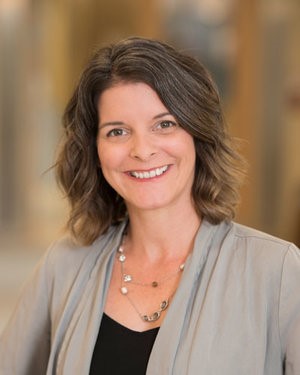
Paula Rowland
Paula Rowland is a Scientist with the Wilson Centre, MD Education, and with The Institute for Education Research (TIER@UHN), an Assistant Professor (status) in the Department of Occupational Science and Occupational Therapy, cross appointed to the Institute for Health Policy Management and Evaluation, and an Affiliate Scientist with the Centre of Interprofessional Education at the University of Toronto.
Having started her career as an Occupational Therapist in 2000 and subsequently completing a PhD in Human and Organizational Systems in 2013, Dr. Rowland studies professional work and identity within clinical workplaces. Making connections between organizational sociology, sociology of the professions, and health professions education, her work explores major change efforts within these workplaces and their potential implications for the future of professional work. Her existing research has explored two substantive arenas of technological and societal change: patient engagement programs and patient safety programs. In each of these domains, Dr. Rowland explores questions of power, knowledge, and identity. Given her interest in how professionals work, learn, and teach in ever-changing clinical workplaces, she has an adjacent stream of research that is about knowledge mobilization and workplace learning more broadly. These three streams of activity form a program of research on professional knowledge and identity in changing clinical workplaces. This program of research is relevant to the clinical learning environment and to workplace learning as a form of continuing professional development. Ultimately, Dr Rowland’s research contributes to models of education that support future experts and future expertise in a rapidly changing world.
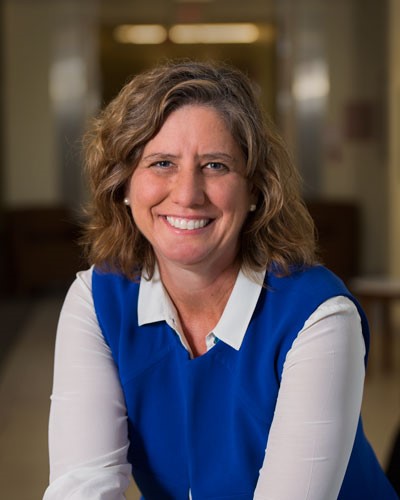
Cynthia Whitehead, Director, The Wilson Centre
Cynthia Whitehead is a Professor in the Department of Family and Community Medicine at the University of Toronto; Director and Scientist at the Wilson Centre, Faculty of Medicine, University of Toronto at University Health Network; and the Vice-President Education, Women’s College Hospital. She has held many education leadership positions in medical education at the University of Toronto.
Dr. Whitehead obtained her PhD from the University of Toronto and MD from McMaster University. Her program of research as a Wilson Centre Scientist focuses on deconstructing ‘truths’ of health professions education to expand our understandings of possibilities for change. Some of Dr. Whitehead’s specific content areas of research interest include globalization of medical education, accreditation, equity diversity and inclusion, outcomes-based education, interprofessional education, and the history of medical education. Dr. Whitehead is involved in teaching, curriculum design, curricular evaluation and educational administration. Internationally, she has provided education consultations and worked collaboratively with educators in multiple countries in Africa, Asia, South America, North America and Europe.
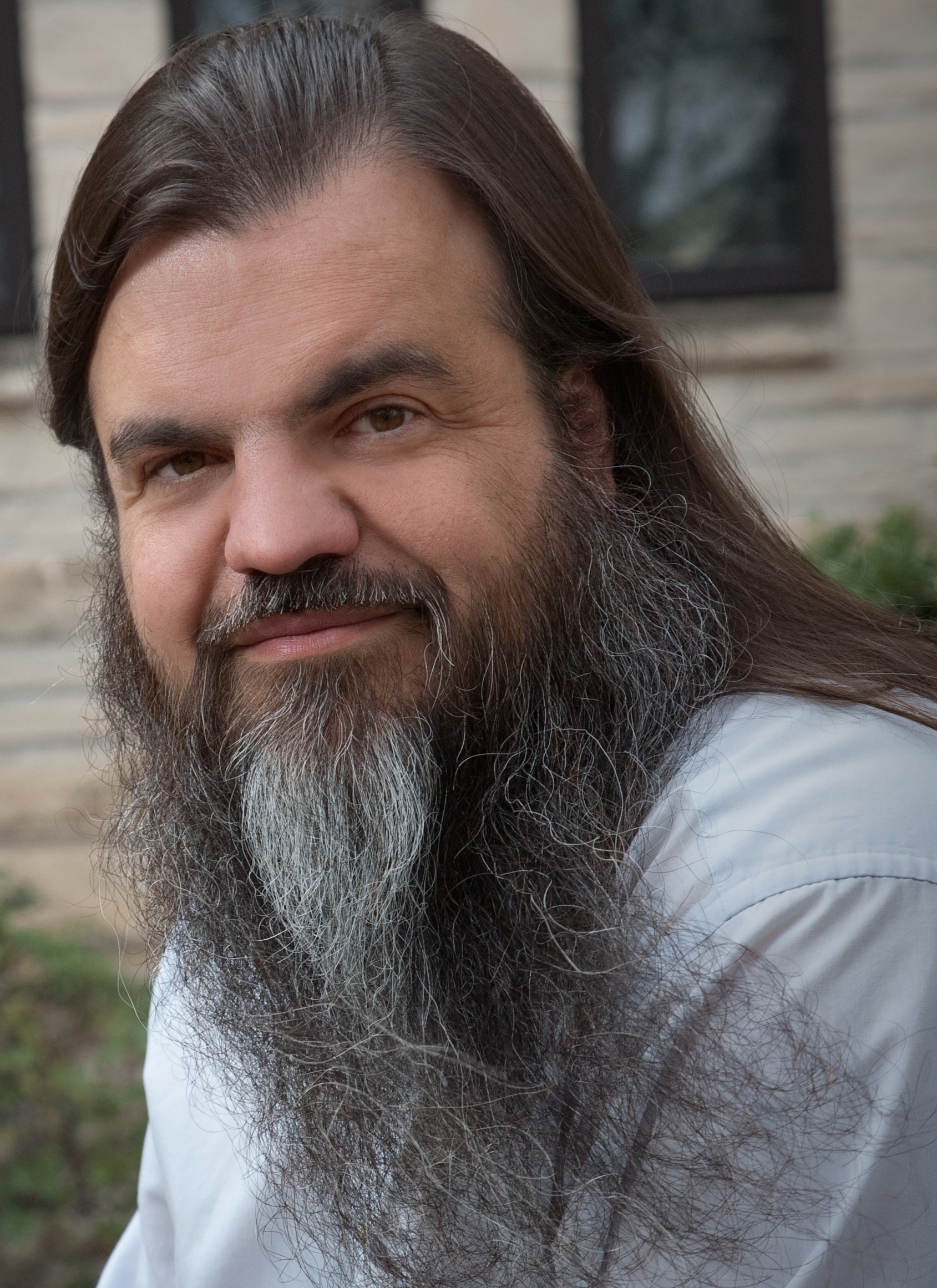
Bryan Alexander
Bryan Alexander is an award–winning, internationally known futurist, researcher, writer, speaker, consultant, and teacher, working in the field of higher education’s future.
He completed his English language and literature PhD at the University of Michigan in 1997, with a dissertation on doppelgangers in Romantic-era fiction and poetry.
Then Bryan taught literature, writing, multimedia, and information technology studies at Centenary College of Louisiana. There he also pioneered multi-campus interdisciplinary classes, while organizing an information literacy initiative.
From 2002 to 2014 Bryan worked with the National Institute for Technology in Liberal Education (NITLE), a non-profit working to help small colleges and universities best integrate digital technologies. With NITLE he held several roles, including co-director of a regional education and technology center, director of emerging technologies, and senior fellow. Over those years Bryan helped develop and support the nonprofit, grew peer networks, consulted, and conducted a sustained research agenda. In 2013 Bryan launched a business, Bryan Alexander Consulting, LLC. Through BAC he consults throughout higher education in the United States and abroad.
Bryan speaks widely and publishes frequently, with articles appearing in venues including The Atlantic Monthly, Inside Higher Ed. He has been interviewed by and featured in the Washington Post, MSNBC, The Wall Street Journal, US News and World Report, National Public Radio (2017, 2020, 2020, 2020, 2020), the Chronicle of Higher Education (2016, 2020), the Atlantic Monthly, Reuters, Times Higher Education, the National Association of College and University Business Officers, Pew Research, Campus Technology, The Hustle, Minnesota Public Radio, USA Today, and the Connected Learning Alliance.
He recently published Academia Next: The Futures of Higher Education for Johns Hopkins University Press (January 2020), which won an Association of Professional Futurists award. He next book, Universities on Fire: Higher Education in the Age of Climate Crisis, is forthcoming from Johns Hopkins. His two other recent books are Gearing Up For Learning Beyond K-12 and The New Digital Storytelling (second edition).
Bryan is currently a senior scholar at Georgetown University and teaches graduate seminars in their Learning, Design, and Technology program.
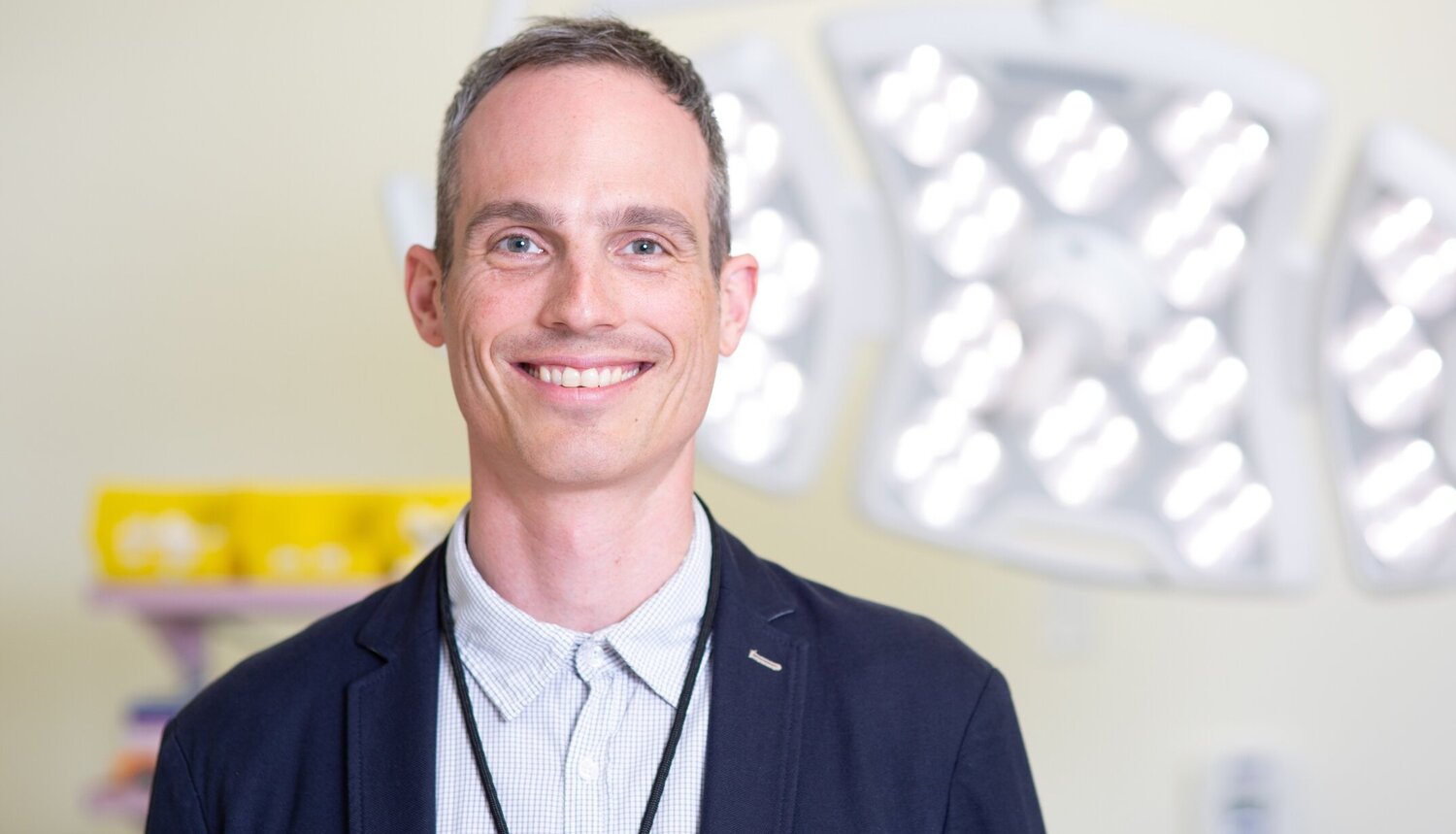
Ryan Brydges
Ryan Brydges holds the Professorship in Technology-Enabled Education, and is Director of Medical Education Scholarship at the Dept of Medicine, Unity Health Toronto & University of Toronto. He’s also the Director of the Applied Education Research Operatives (AERO) Research Group at Unity Health Toronto. His research focuses on how healthcare trainees, professionals, and the teams they form engage with various modes of self-regulated learning. He also tests the claims that current training prepares professionals for their future lifelong learning. He currently supervises many PhD students and medical residents who help shape and challenge his thinking daily.
Dates
October 19-21, 2022
Note: All times are in Eastern Time (EDT)
Event Information
https://thewilsoncentre.ca/events-1
Location
Virtual: Zoom Webinar. https://michener-ca.zoom.us/j/89440627556?pwd=dzFOM2QrQkIrY2xFeXovOGZXUGRuUT09
Passcode: 140125
Cost
Free of charge
Technical Assistance
Conference Services
conferences@uhn.ca
 Copyright© 2017 | MYConference Suite Registration | D.E. Systems | All Right Reserved.